Ghana has officially inaugurated a newly constructed Sample Reception Centre at the Noguchi Memorial Institute for Medical Research (NMIMR), University of Ghana, marking a significant milestone in strengthening laboratory systems and public-health surveillance in the country and across the African region.
The Centre, established with support from the World Health Organization (WHO) and funding from Gates Foundation, will improve the safe receipt, documentation, management and temporary storage of biological samples from across Ghana and neighbouring countries. It is expected to enhance efficiency, biosafety and turnaround times for laboratory confirmation of priority diseases, including poliovirus and other emerging health threats.
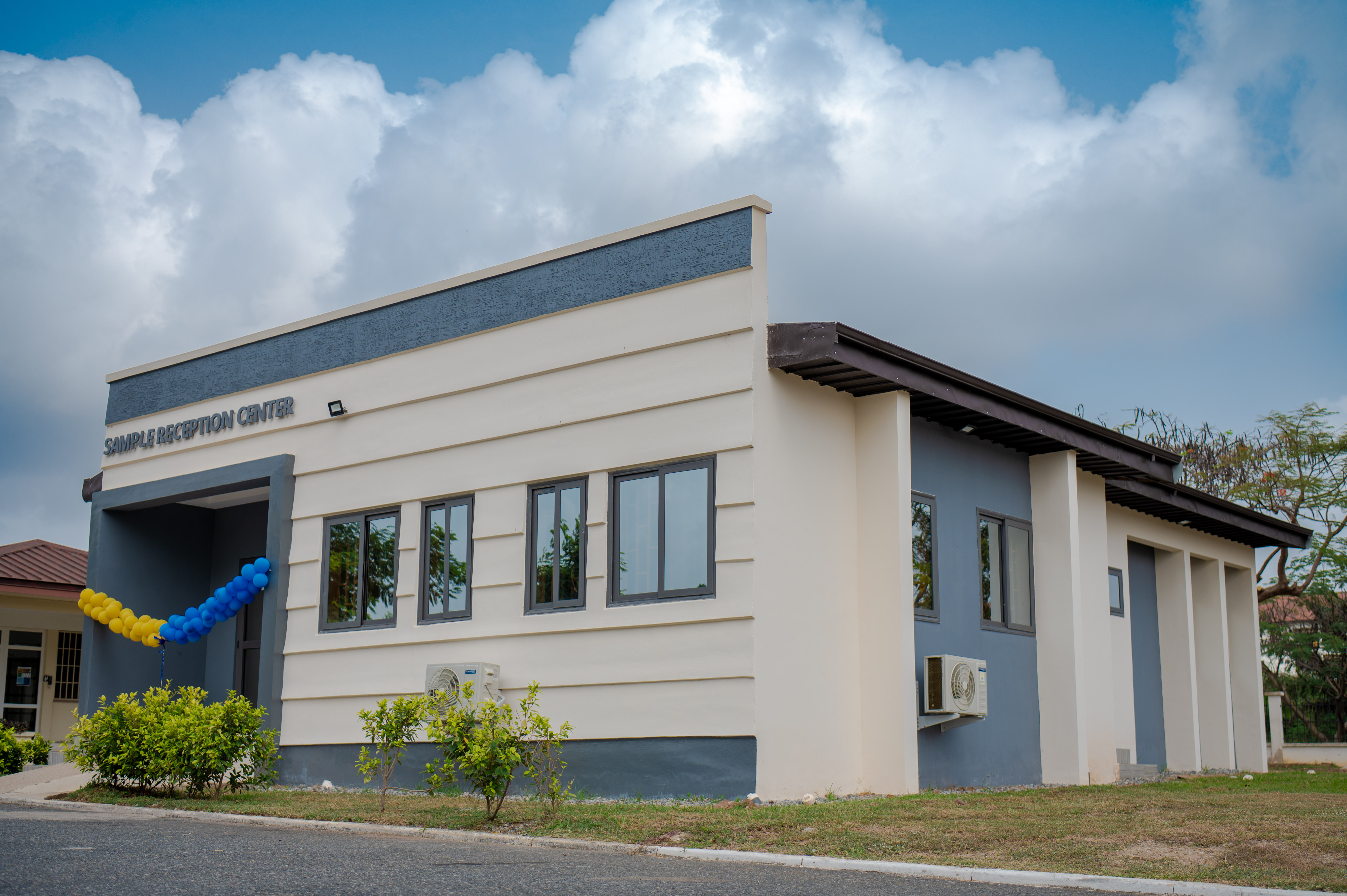
Photo@Abdul-RahimNaaAbdul-Lahie/WHOGhana
The inauguration ceremony was attended by senior officials from the Ministry of Health, the University of Ghana, the Ghana Health Service, development partners and representatives of the Global Polio Eradication Initiative (GPEI).
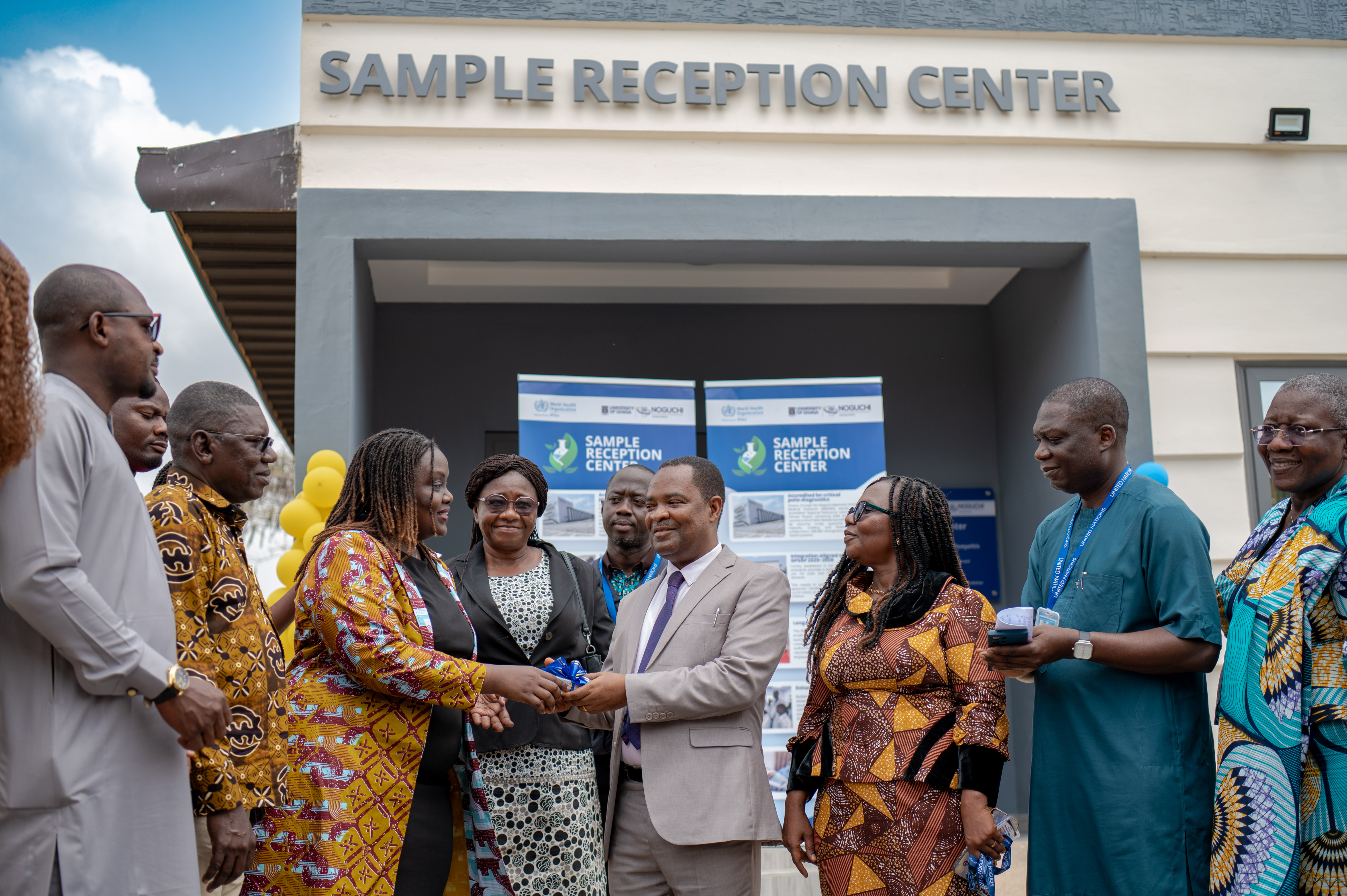
Photo@Abdul-RahimNaaAbdul-Lahie/WHOGhana
Housed within NMIMR, a leading centre of excellence for biomedical research in West Africa, the Sample Reception Centre will serve as an entry point for specimens requiring testing and confirmation. By strengthening sample management systems, the facility reinforces Ghana’s disease surveillance architecture and supports rapid detection and response to outbreaks.
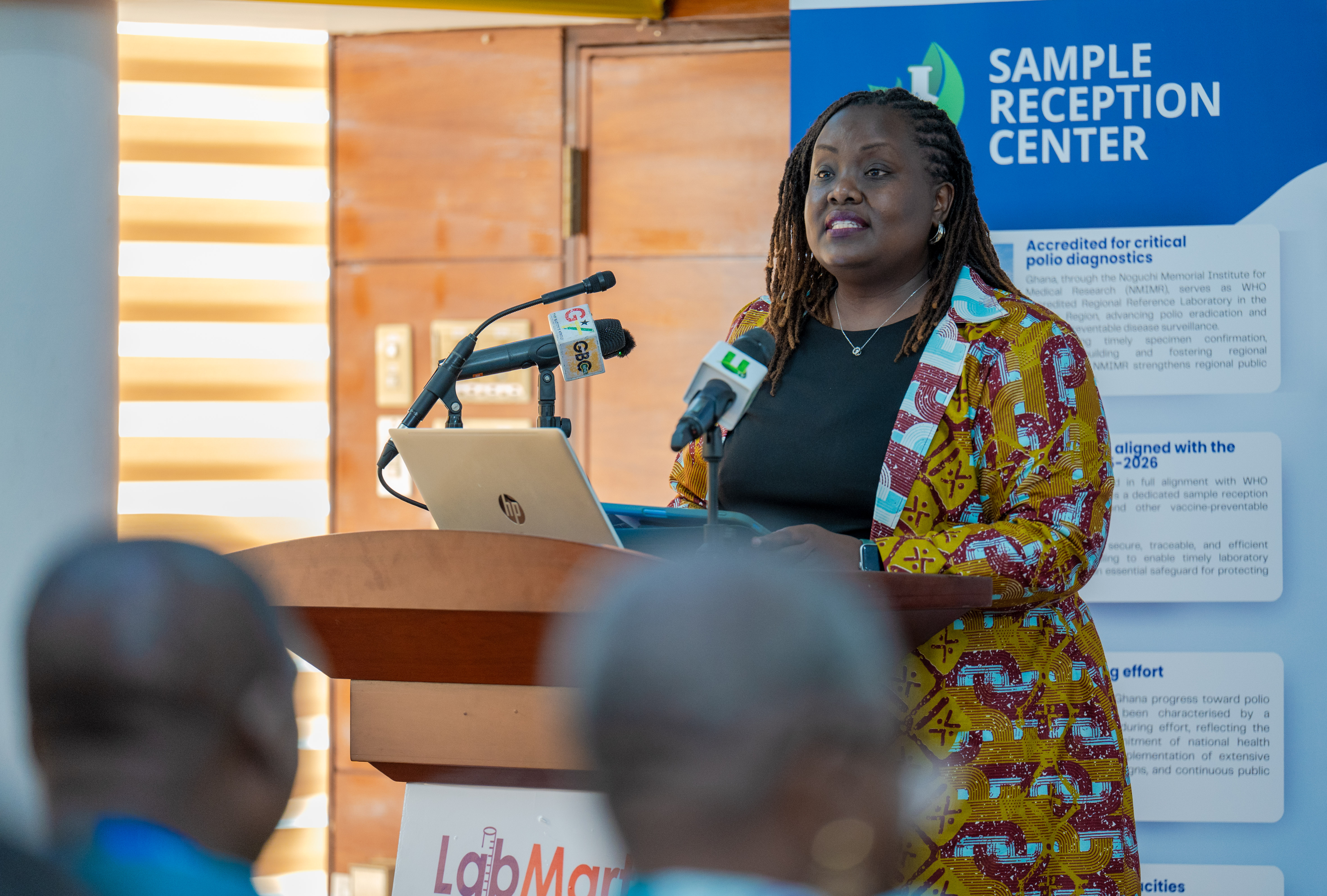
Photo@Abdul-RahimNaaAbdul-Lahie/WHOGhana
Speaking at the event, WHO Representative to Ghana, Dr Fiona Braka, described the Centre as a strategic investment in national and regional health security.
“The inauguration of this Sample Receipt Centre represents a strategic investment in Ghana’s health security. By strengthening how samples are received, tracked and processed, we are improving our ability to detect outbreaks early, respond swiftly and protect communities across Ghana and the African region”, she said.
Director of NMIMR, Professor Dorothy Yeboah-Manu, noted that the new facility would significantly improve operational efficiency and biosafety standards at the Institute.
“A well-coordinated and secure sample management system is essential to delivering timely and high-quality diagnostics. This Centre strengthens Noguchi’s capacity to support national surveillance efforts and regional public-health response”, she said.
Speaking on behalf of the Minister of Health, Dr Hafez Adams, reaffirmed Government’s commitment to investing in resilient health systems.
“The commissioning of this Sample Reception Centre demonstrates our resolve to strengthen public-health infrastructure and ensure that Ghana remains prepared to detect and respond to disease threats. Strong laboratories are fundamental to safeguarding the health of our people”, he said.
“The inauguration of this Sample Receipt Centre represents a strategic investment in Ghana’s health security. By strengthening how samples are received, tracked and processed, we are improving our ability to detect outbreaks early, respond swiftly and protect communities across Ghana and the African region”, she said.
Director of NMIMR, Professor Dorothy Yeboah-Manu, noted that the new facility would significantly improve operational efficiency and biosafety standards at the Institute.
“A well-coordinated and secure sample management system is essential to delivering timely and high-quality diagnostics. This Centre strengthens Noguchi’s capacity to support national surveillance efforts and regional public-health response”, she said.
Speaking on behalf of the Minister of Health, Dr Hafez Adams, reaffirmed Government’s commitment to investing in resilient health systems.
“The commissioning of this Sample Reception Centre demonstrates our resolve to strengthen public-health infrastructure and ensure that Ghana remains prepared to detect and respond to disease threats. Strong laboratories are fundamental to safeguarding the health of our people”, he said.

Photo@Abdul-RahimNaaAbdul-Lahie/WHOGhana
The Centre comes at a critical time as countries continue to prioritise surveillance, laboratory strengthening and preparedness in an era where infectious diseases can cross borders rapidly. Robust laboratory systems remain a cornerstone of global health security, underpinning immunisation programmes, outbreak response, antimicrobial resistance monitoring and emergency preparedness.
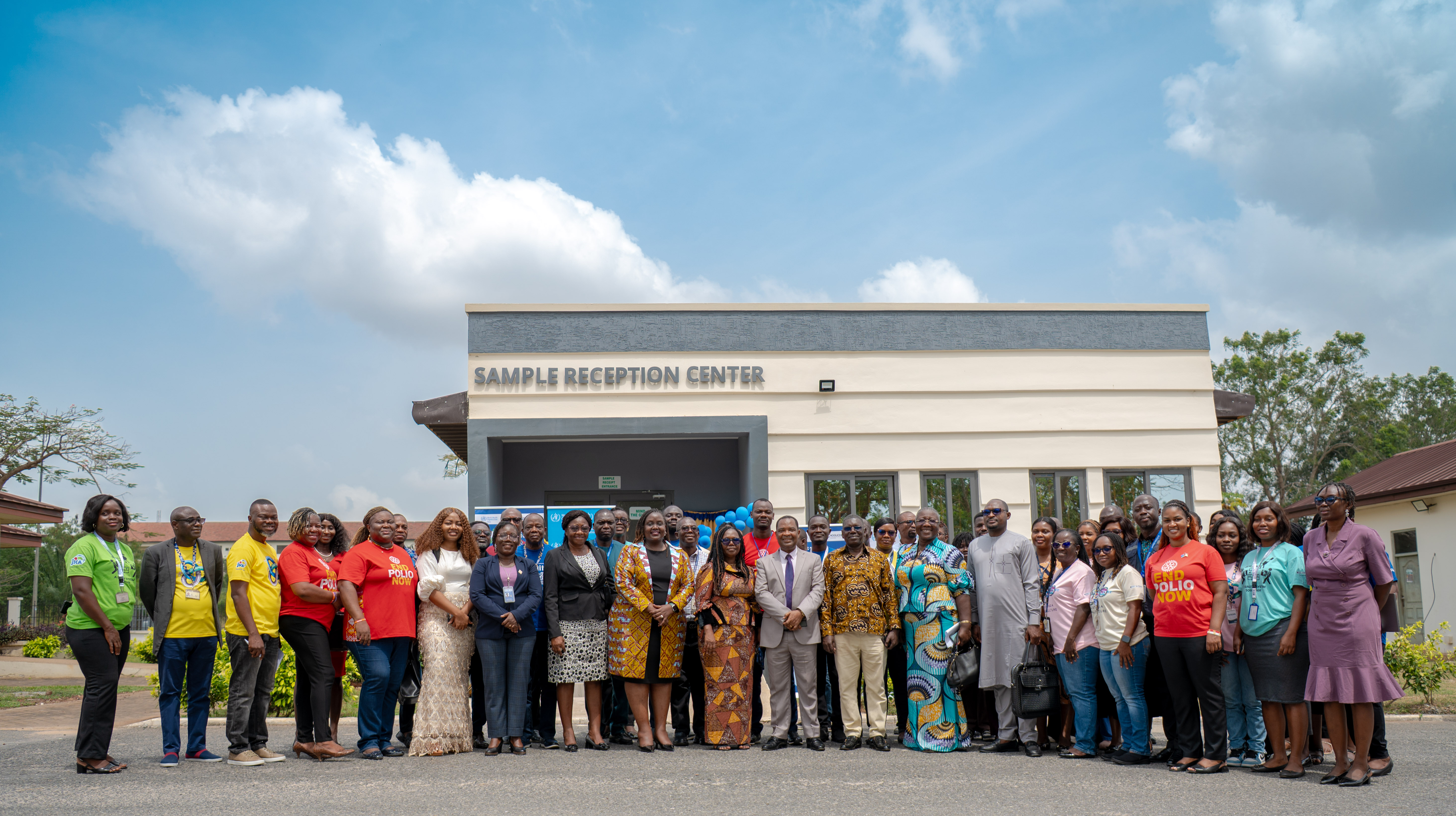
Photo@Abdul-RahimNaaAbdul-Lahie/WHOGhana
Through continued collaboration with national authorities and partners, WHO and GPEI remain committed to supporting Ghana in building resilient laboratory systems that protect lives and advance progress toward a polio-free Africa.
For Additional Information or to Request Interviews, Please contact:
Abdul-Lahie Abdul-Rahim Naa
Communications Officer
WHO Ghana Country Office
Email: abdullahiea@who.int
Tel: +233 20 196 2393
For Additional Information or to Request Interviews, Please contact:
Abdul-Lahie Abdul-Rahim Naa
Communications Officer
WHO Ghana Country Office
Email: abdullahiea@who.int
Tel: +233 20 196 2393